


Why Choose Us?
Rich Experience
Hangzhou Hongtu Machinery Equipment Co., Ltd. was established in 2013. HTL's service tools are designed by field experts with more than 10 years to create a unified and professional tool.
Wide Product Range
Specializing in the production of automotive tools such as timing tools, air conditioning tools, body repair tools, brake tools, cooling system tools, electrical repair tools, engine tools, gear pullers, special pullers, steering and suspension tools, and general manual.
One-stop Service
Our products are exported to more than 40 countries in Europe, America and Asia. We're sure to be your one stop shop for all your auto repair tool needs!
Strong Production Capacity
We have 8 workshops, Current General Tools capacity can up to 150000000 per year , The Timing Tools can up to 12000000 per year.
What is Bearing Separator Tool?
Bearing Separators offer a distinct approach to bearing removal by employing a split design that surrounds the bearing. These separators create space between the bearing and its mount, enabling hassle-free removal without the need to dismantle adjacent components. Their split construction allows them to fit around the bearing, and when paired with a pulling device, they exert force evenly, efficiently dislodging the bearing. Bearing separators are particularly advantageous in situations where bearings are tightly fitted or surrounded by components that cannot be disassembled, providing a practical solution for extraction while preserving the integrity of the surrounding parts.
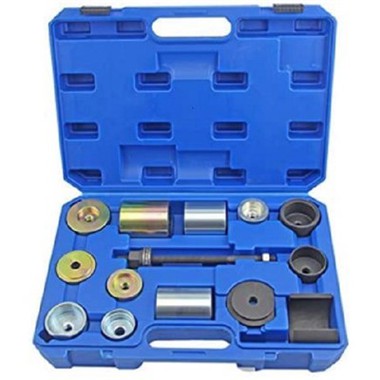


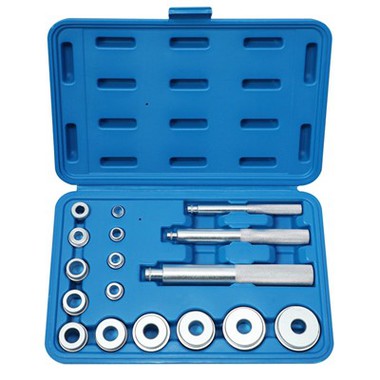


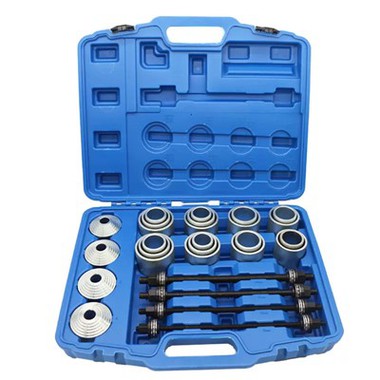
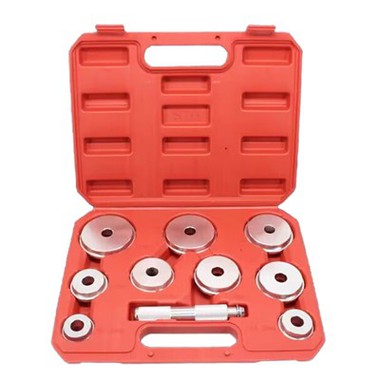
Advantages of Bearing Separator Tool
Safer Bearing Removal
Bearing separator tools allow for a controlled and gradual removal of bearings, bushings, and other press-fitted components. This helps prevent damage to the component, the surrounding parts, and reduces the risk of injury to the technician compared to using more improvised methods.
Improved Precision
The forked or claw-like design of the bearing separator tool is specifically tailored to fit behind the bearing or component, providing a secure and precise point of leverage. This helps ensure that the component is removed evenly and consistently, reducing the risk of distorting or damaging the part during the extraction process.
Increased Efficiency
Using a bearing separator tool can significantly speed up the bearing removal process compared to using more rudimentary tools or techniques. This can save time and labor, particularly in situations where multiple bearings or components need to be removed, such as during a major overhaul or rebuild.
Preservation of Components
Carefully removing bearings and other press-fitted components with a separator tool helps maintain the integrity and condition of the parts. This is important for reusing components, as damage or deformation during removal can render them unusable, leading to the need for costly replacement parts.
Versatility
Bearing separator tools come in a variety of sizes and designs to accommodate different component sizes and applications, from small bearings in electronics to large wheel bearings in heavy equipment. This versatility allows technicians to use the appropriate tool for the job, ensuring a successful and safe removal process.
Improved Workplace Safety
Using a dedicated bearing separator tool reduces the need for improvised techniques, such as using hammers or pry bars, which can be dangerous and increase the risk of injury to the technician.
The controlled and precise nature of the tool usage helps create a safer work environment.
Types of Bearing Separator Tools
Jaw separators
The first category of bearing separators is jaw separators. Jaw separators are available in two or three jaw structures and are a staple in most toolboxes. They are ideal for gripping the sharp edges of the bearings and enabling a strong yet balanced pull.
Hydraulic separators
The next notable category of bearing separators is separators. These separators are ideal for tasks that need substantial force, so mechanics use them as a go-to tool. The hydraulic mechanism is the power of these tools. It offers the separators the required strength to deal with heavy-duty tasks.
Internal Bearing separators
The third and final category of bearing separators is internal. These separators are ideal when professionals work with the bearing set in a blind hole or housing. Their structure enables them to reach places where conventional jaw separators can not. This feature makes internal bearing separators an indispensable tool option.
Application of Bearing Separator Tool
Bearing separator tool sets are versatile tools used across various industries for the safe and efficient removal and installation of bearings. These sets are commonly employed in automotive repair shops, manufacturing facilities, and maintenance operations where bearings are a critical component in machinery and equipment.
In the automotive industry, bearing separator tool sets are indispensable for tasks such as removing wheel bearings, transmission bearings, and other bearing components during repairs or maintenance. Mechanics rely on these tools to disassemble and reassemble bearings without causing damage to the surrounding components.
Manufacturing plants, especially those involved in the production of industrial machinery, heavily utilize bearing separator tool sets. Bearings are crucial components in motors, pumps, gearboxes, and other rotating equipment, and these sets allow for their proper removal and replacement during maintenance or overhaul procedures.
The construction and mining industries also benefit from the use of bearing separator tool sets. Heavy machinery, such as excavators, cranes, and drilling rigs, often employ large bearings that require specialized tools for safe and efficient removal and installation. These sets are essential for maintaining the equipment and ensuring its reliable operation in demanding environments.
Bearing separator tool sets are valuable tools in the maintenance and repair of agricultural equipment, such as tractors and harvesters, where bearings are critical components that require periodic servicing or replacement.
Components of Bearing Separator Tool
Gripping Claws
Various types of gripping claws or attachments cater to different bearing sizes and configurations. These claws securely grasp the bearing, ensuring a firm hold during the extraction process.
Jaw Extensions
Jaw extensions or adjustable arms provide flexibility in accommodating various bearing sizes and reaching bearings situated in deeper or confined spaces.
Slide Hammers
Slide hammers are often used in conjunction with bearing separator tools to provide additional force for stubborn bearings. These hammers attach to the puller, allowing for controlled impact to aid in extraction.
Pressure Screws or Bolts
Pressure screws or bolts serve as the central force point in bearing separator tools. Different sizes and designs of these screws enable precision and controlled force application during extraction.
Hydraulic Components
In hydraulic bearing separator tools, hydraulic cylinders or hand pumps are vital components that generate the hydraulic force necessary for extraction. Ensuring the proper functioning and maintenance of these components is crucial for the efficient operation of hydraulic pullers.
How Do Bearing Separator Tools Work?
Arms
The arms of a bearing separator tool are designed to surround the bearing or the part from which the bearing needs to be removed. These arms can be adjusted or come in different sizes to accommodate various bearing sizes.
Center Bolt or Screw
Positioned in the center of the arms, the bolt or screw serves as the force point. As it is turned or tightened, it applies pressure evenly on the arms, thereby exerting force on the bearing.
Gripping Attachments
Bearing separator tools come with different attachments or claws that grip onto the bearing's inner ring or race. These attachments provide a secure hold on the bearing, allowing it to be pulled out smoothly.
Extraction Process
The extraction process involves setting up the bearing separator tool around the bearing to be removed, ensuring that the arms are appropriately positioned and securely attached to the bearing. Once in place, the center bolt or screw is turned, applying force gradually. This force is transmitted through the arms and gripping attachments, facilitating the gradual and controlled removal of the bearing from its housing or shaft.
How to Decide What Type of Bearing Separator Tool to Use




The decision of which puller to use is dependent on many factors. You’ll first need to establish whether you need an external or an internal bearing separator tool.
If the component that you’re removing is seated on a shaft and is freely accessibly from the outer diameter, you’ll need an external bearing separator tool. This is the most common type of puller. However, if the part you’re trying to remove is in a recess with the inner diameter accessible, you’ll need an internal bearing separator tool.
If you require an external bearing separator tool, you’ll then be able to choose between mechanical and hydraulic bearing separator tools. If you’re on a tight budget, a mechanical bearing separator tool may be suitable. However, if you’re working with heavy-duty machinery, you might consider a hydraulically-assisted bearing separator tool to reduce the manual effort required.
You’ll also need to consider the space conditions. This includes the diameter and depth of the bearing, along with the available space around the bearing. Some bearing separator tools will require more space to operate than others.
The choice of which bearing separator tool to use should always be made after careful consideration of all influencing factors. If you’re unsure which bearing separator tool to choose, it’s best to consult an expert before making your decision.
Comparative Analysis of Bearing Separator Tools Vs. Traditional Bearing Removal Methods
When comparing precision and control between bearing separator tools and traditional methods, bearing separator tools come out on top. They offer unparalleled accuracy in bearing removal, allowing for controlled separation without damaging the bearing or surrounding components. The ability to adjust the splitter’s position and pressure ensures precise extraction, even in tight spaces or with delicate bearings. On the other hand, traditional methods like hammer and punch or hydraulic presses may lack the finesse needed for intricate jobs. The blunt force of a hammer or the general pressure of a hydraulic press can lead to accidental damage or misalignment, especially with sensitive machinery. While puller tools provide more control than manual methods, they still may not match the precision of bearing separator tools, particularly in challenging situations. Overall, the precision and control offered by bearing separator tools make them the preferred choice for professionals who prioritize accuracy and safety in bearing removal tasks.
When it comes to speed and efficiency, bearing separator tools often outshine traditional methods. The precise and controlled nature of bearing separator tools allows for quicker removal times, minimizing downtime and increasing productivity. With traditional methods like hammer and punch or hydraulic presses, the process can be slower and more labor-intensive. Hammering away at a bearing or waiting for hydraulic pressure to build up can eat into valuable working hours, especially for large-scale maintenance projects. Puller tools offer a middle ground in terms of speed, but they still may not match the efficiency of bearing separator tools, particularly in complex removal tasks. Additionally, bearing separator tools’ versatility and ease of use contribute to their overall efficiency, allowing operators to tackle a wide range of bearing removal challenges with minimal hassle. While bearing separator tools may require a slightly higher initial investment, their time-saving benefits and long-term reliability make them a worthwhile investment for professionals looking to streamline their maintenance processes.
When it comes to safety considerations, bearing separator tools have a clear advantage over traditional methods. The controlled and precise nature of bearing separator tools reduces the risk of accidents and injuries associated with manual methods like hammer and punch. With bearing separator tools, operators can avoid the need for heavy pounding or excessive force, minimizing the likelihood of tool slippage or component breakage. Hydraulic presses, while more powerful than manual methods, still pose risks due to the high pressures involved, including potential hydraulic fluid leaks or equipment malfunctions. Puller tools offer greater control and safety compared to manual methods, but they may still require significant force, increasing the risk of strain or injury to operators. Overall, bearing separator tools provide a safer and more controlled approach to bearing removal, ensuring the well-being of both operators and the machinery being serviced. Investing in bearing separator tools can contribute to a safer work environment and reduce the likelihood of costly accidents or downtime associated with traditional methods.
Cost analysis of bearing separator tools versus traditional removal methods reveals several key points. Initially, bearing separator tools may require a higher investment compared to basic tools like hammers, punches, or even standard puller tools. The advanced technology and precision engineering of bearing separator tools contribute to their higher upfront cost. However, this initial expense can be offset by their long-term benefits. bearing separator tools generally require less maintenance and have a longer lifespan, reducing the need for frequent replacements. Additionally, the efficiency and speed of bearing separator tools can lead to significant labor cost savings. Faster bearing removal means less downtime and higher productivity, which can be crucial in industrial settings where time is money. Traditional methods might seem cheaper initially, but the potential for damaging bearings or surrounding components can lead to higher repair costs. Furthermore, safety improvements with bearing separator tools can reduce the likelihood of workplace injuries, potentially lowering insurance premiums and avoiding costly compensation claims.
Bearing separator tools are generally more sustainable than traditional bearing removal methods. Their precision reduces waste by preventing damage to bearings and surrounding components, allowing more parts to be reused rather than discarded. Many bearing separator tools are made from durable materials that last longer, decreasing the need for frequent replacements and contributing to less environmental waste. Additionally, some hydraulic splitters can be operated with environmentally friendly hydraulic fluids, further minimizing their environmental footprint. In contrast, traditional methods like the hammer and punch can cause more wear and tear on components, leading to increased waste. The frequent need to replace damaged parts can result in more scrap material and higher energy consumption for manufacturing new parts. Hydraulic presses, while effective, can also be prone to leaks and spills of hydraulic fluids, which can be harmful to the environment if not properly managed. Puller tools, although less damaging than manual methods, still carry a higher risk of damaging bearings, leading to more frequent replacements.
Bearing separator tools are known for their durability and long lifespan. Made from high-quality materials, they require minimal maintenance, ensuring they stay in good working condition for years. Regular inspections and occasional lubrication are usually enough to keep them functioning effectively. This longevity reduces the need for frequent replacements, making bearing separator tools a cost-effective tool over time. In contrast, traditional methods like hammer and punch can wear out quickly due to the constant force applied during use. Hydraulic presses also require regular maintenance to check for leaks and ensure the hydraulic system remains functional. Puller tools, while more durable than manual methods, still need frequent checks and adjustments to maintain their effectiveness. These maintenance needs can lead to increased downtime and higher operational costs.
Safety Measurements While Using Bearing Pullers

PPE
The first mandatory safety step is to use certain personal protective equipment (PPE). Workers must wear safety gloves and glasses while using the bearing pullers. This can prevent fatal injuries from sudden falls due to debris.

The Capacity of the Tool
The next notable safety aspect of using a bearing puller is realizing its capacity. Always choose a puller that matches the size of the bearing and needed strength. Understanding the tool’s capacity is necessary to avoid its failure.

Proper Arrangement & Alignment
Another noteworthy safety step of using a bearing puller is to ensure the right alignment. Proper setup and alignment prevent the puller from slipping and potential damage.
Features to Consider Before Buying a Bearing Separator Tool
Bearing separator tool reach, spread, and bearing size
Bearing separator tool reach refers to the distance between the head of the bearing separator tool’s legs and the legs’ pulling surface. The bearing separator tool reach reduces and expands in proportion to how wide or how narrow the legs are open. The spread, meanwhile, is the distance between the jaws at their widest point, which in most bearing separator tools is 25 inches. bearing separator tools are also available in a range of sizes, which vary from 75mm (2.9”) all the way up to 200mm (7.8”). When deciding on bearing separator tool size, it’s important to take into consideration the amount of space or clearance around the shaft or recess, as well as the proportions of the bearing you need to remove.
Bearing separator tool type: Two or three-legged
As we briefly touched on earlier, bearing separator tools can also be purchased in two-legged or three-legged varieties. Both will enable you to grip the fitting or component you need to remove, and they operate in the exact same way. The key difference between two and three-legged bearing separator tools lies in the degree of stability and force. With a two-pronged claw you’re only gripping at opposite sides, so even with locking legs some slippage is possible. With a three-legged bearing separator tool, you have an additional claw to grip the surface of the component you’re trying to extract, allowing you to distribute the force over a wider area and with a greater degree of stability.
Safety (material is made of, capacity)
As with all tools, operator safety should be a key consideration when it comes to bearing separator tools. To avoid injury, you should always choose a bearing separator tool that’s manufactured by a reputable brand and made from a high-strength material, robust enough to withstand the tension and pressure you’re putting it under. For hydraulic bearing separator tools specifically, it’s vital to ensure that the bearing separator tool has a 1.5 capacity safety factor and complies with ISO101000:2001.
Clean After Use
After each use, thoroughly clean the set to remove any grease, dirt, or debris that may have accumulated during the job. Use a degreaser or solvent to remove stubborn grime, and then wipe down all components with a clean, dry cloth.
Lubricate Moving Parts
Apply a light coating of machine oil or lubricant to the moving parts of the bearing separator tools. This will prevent rust, reduce friction, and ensure smooth operation.
Inspect for Wear and Damage
Regularly inspect the set for signs of wear, such as cracks, chips, or deformities. Replace any damaged components immediately to prevent further issues and ensure safe operation.
Store Properly
When not in use, store the bearing separator tool set in a dry, clean environment, away from moisture and extreme temperatures. Consider using a toolbox or case to keep the set organized and protected.
Avoid Misuse
Use the set only for its intended purpose and follow the manufacturer’s instructions. Misuse or improper application can lead to damage or premature wear.
Maintain Cleanliness
Keep the storage area clean and free from debris or contaminants that could potentially damage the set.
Replace Worn Parts
Over time, certain components may wear out due to regular use. Replace worn or damaged parts promptly to maintain the set’s efficiency and safety.
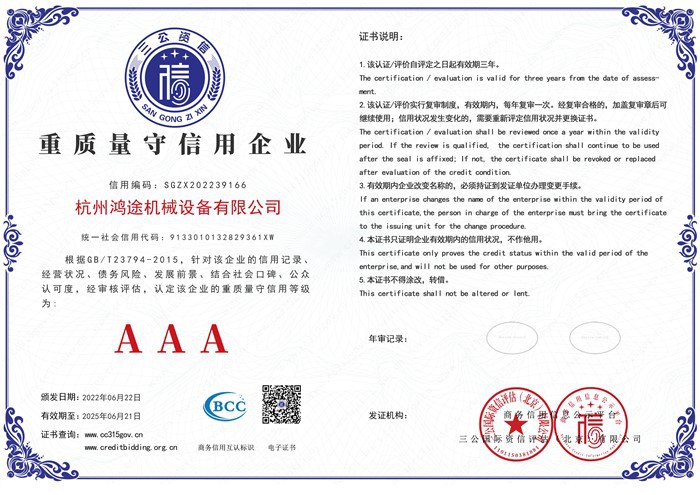
Our Certifications




Our Factory
Hangzhou Hongtu Machinery Equipment Co., Ltd. was established in 2013. HTL's service tools are designed by field experts with more than 10 years to create a unified and professional tool. HTL offers automotive tools for virtually every vehicle use and project application.
FAQ
We're professional bearing&bushing tool manufacturers and suppliers in China, specialized in providing high quality customized service. We warmly welcome you to buy high-grade bearing&bushing tool made in China here from our factory.
Cable Type Flexible Hose Clamp Pliers, Camshaft Sealing Installation Tool for Volvo, Diesel Timing Tool for Audi V6V8