


Why Choose Us?
Rich Experience
Hangzhou Hongtu Machinery Equipment Co., Ltd. was established in 2013. HTL's service tools are designed by field experts with more than 10 years to create a unified and professional tool.
Wide Product Range
Specializing in the production of automotive tools such as timing tools, air conditioning tools, body repair tools, brake tools, cooling system tools, electrical repair tools, engine tools, gear pullers, special pullers, steering and suspension tools, and general manual.
One-stop Service
Our products are exported to more than 40 countries in Europe, America and Asia. We're sure to be your one stop shop for all your auto repair tool needs!
Strong Production Capacity
We have 8 workshops, Current General Tools capacity can up to 150000000 per year , The Timing Tools can up to 12000000 per year.
What is Quick Coupler?
Quick couplers are quick-disconnect fittings used in a hydraulic or pneumatic system to quickly connect lines without losing fluid or fluid pressure. Quick couplers are designed to be connected and disconnected immediately without the use of tools, eliminating the need to close valves, bleed the system, recharge with fluid, and/or purge entrapped gas when parts are disconnected and replaced. For this reason, they are especially useful in critical or time-dependent production applications where speed is key.
What is Circlip Pliers?
Circlip pliers are special pliers for installing or removing circlips on shafts or insides bores. There are two types of pliers. On external pliers the head opens when the handle is squeezed and the circlip is pushed out. These pliers are used to mount circlips on shafts and guide rods.


Advantages of Quick Coupler
Save Money
Quick couplers make attachments interchangeable, allowing machines in similar size classes to share a common set of work tools. That means you don’t need to spend money purchasing dedicated attachments for each piece of equipment in your fleet.
Work More Quickly And Safely
With a quick coupler, the operator stays in the cab to change attachments, a process that takes only seconds. It’s safer, too, because it means fewer people on the ground are exposed to potential hazards. Visual and audible indicators in the cab let operators know attachments are connected properly from the time of engagement, throughout the job and until disengagement.
Increase Your Versatility
The right mix of work tools can turn one machine into a multi-tasker, and a quick coupler allows that machine to switch between attachments with ease. You can use quick couplers with dozens of different work tools.
Reduce Attachment Wear
Using the wrong attachment for the work increases wear and reduces service life. But sometimes, busy operators don’t feel like they have the time to manually switch to the proper work tool. Quick couplers help eliminate that problem.
Save Time On Maintenance
The right quick coupler won’t just save you time on attachment changes — it’ll also simplify on-the-job maintenance. Quick couplers, for example, come with an easily accessible primary grease point to speed up routine service. A shield also covers the coupler to help keep debris out.
Types of Quick Coupler
Single End Shut Off Coupler
As the name suggests, these couplings shut off only one side of the coupling, mainly the socket side i.e. male part and hence prevent the leakage of the fluid. These couplings are low-pressure couplings used mainly for air, oil and water with a maximum pressure of 20 bars. They also have a similar ball float which snaps shut the flow as soon as they’re disconnected.
Double End Shut Off Coupler (Standard Pressure)
This type of couplings shut off both (instantaneously), the socket and the plug upon disconnection. They can be of brass, stainless steel or steel with different pressure ranges, sizes and applications of fluid. Double-end shut off couplers are used in standard pressure applications with a maximum working pressure of 100 bars.
Double End Shut Off Coupler (High Pressure)
They are generally recommended for high-pressure applications of compressed air, hydraulic and water systems. The steel used to make these couplings is special annealed steel for higher strength and reliability. Similarly, both the sockets and plugs are closed by an inner valve when they are disconnected.
Line Couplers
Line couplers are generally used to connect two or more couplings simultaneously to a single line. They are used in hydraulic couplings of cylinder heads of the main engine and auxiliary engine onboard.
Material of Quick Coupler
The materials for quick couplers are typically selected based on the fluids being transported through the system. Other selection factors include cost, flexibility, environmental conditions, and required pressure ratings. Material choices include different types of plastic or metal.
Aluminum - Lightweight and corrosion resistant. Aluminum is commonly used for plumbing and is the preferred fitting material for aluminum tubing. By itself, aluminum has low tensile strength and is used when high corrosion resistance is needed. It is alloyed with zinc, copper, silicon, manganese, and/or other metals to improve its strength and hardness.
Brass - Strong, durable, and corrosion resistant, with high temperature ductility and good conductivity. Brass is an alloy of copper and zinc, and is a commonly used quick coupler material because of its machinability and its excellent performance properties. Brass fittings can have various protective or decorative finishes which should match the finish of the tubing.
Copper- Extremely corrosion resistant with excellent conductivity. Copper fittings are important for many plumbing and heating applications, and are commonly used for residential water supply lines. Copper fittings are usually used in conjunction with copper tubing, and come in either soft or rigid forms. Soft or ductile copper is easily bent and maneuvered, and is the only type suitable for flare connections. Rigid copper is not bendable and requires directional fittings to go around corners and obstacles.
Steel - Durable and strong, with a high resistance to heat. Steel is an alloy of iron and carbon - it is commonly alloyed with other metals to improve its corrosion resistance and durability. It is used in both commercial and industrial applications for carrying water, flammable gases, and other fluids. Galvanized steel is coated with zinc for rust and chemical corrosion resistance. Carbon steel is alloyed with higher levels of carbon for increased durability and strength.
Cast iron - Strong and highly abrasion resistant. Cast iron fittings and tubes are used primarily in building construction for sanitary, storm drain, waste, and vent tubing applications because of their resistance to abrasive materials like sand, gravel, solid wastes, and debris.
Stainless steel- Relatively strong with excellent chemical and corrosion resistance. Stainless steel is an alloy of steel that contains over 10.5% chromium, providing excellent corrosion resistance for sanitary applications and those dealing with aggressive fluids and materials. It is a common choice of material for quick couplers.
Application of Quick Coupler


Manufacturing
Many manufacturing operations require air, lubrication and control lines that run to different locations on the production line. They may be connecting to specific tools or heavy machinery. Changeover needs to be quick to keep the entire operation running. A down line in one area could mean a stop for the entire operation until the line is up again.
Packaging
Packaging facilities can run up to 24/7. This is especially true for the food industry, where the items may be perishable, like eggs and milk. An operator controls the equipment and ensures everything is running properly. If something goes wrong, a quick change in line may be necessary to keep the packaging line running and get the food out of the door.
Service and Repair
There are a lot of service shops that use air lines or fluid lines - most notably in automotive repair. These lines might be connected to a set of tools - for example, hydraulic tools and pneumatic tools (tools that are powered by compressed air). Quick connect couplers are used in order to change tools quickly. With a quick disconnect and reconnect using one of these couplers, one tool can be changed for another in moments. This makes faster service time possible, which means more items that can be serviced in less time.
Transportation
On the ground, in the air, or on the water - a lot of different types of vehicles use quick couplers. The airbrake lines between trucks and their trailers can be connected and disconnected with quick couplers. This is also a fast and simple way to couple railroad cars. Airplanes and boats also frequently operate with quick couplers. They can save space where they eliminate the need for a shut-off valve and can prevent leaks or spills.
Testing
Testing happens in all kinds of industries. There is toxic gas detection, leakage control and blood testing. There are scanners for explosives, narcotics, carbon monoxide, water purity and so many more. And where there is testing, there is testing equipment. Many detection devices require frequent changes in probes for best operation. Also, testing equipment often use special gases or liquids to perform tests. Changing the lines can be very costly and keeping time delays in a testing lab must be kept to a minimum. These industries may use quick couplers on their lines to keep testing running and accurate.
Medical
Surgical centers, dental offices, hospitals and therapy centers all have equipment that may attach to a gas or liquid line. The tools attached to these lines need to be removed, cleaned and replaced regularly to keep them sterile. Without the use of quick disconnects this could be a painstaking and time-consuming process. Instead of having to thread connections in and out every time they need to be used, they can just pop the coupler in and out and it is ready to use.
Components of Quick Coupler
Body
The body of a quick coupler is the main structure that houses all the internal components and provides the framework for the connection. It is typically designed to be robust and durable, ensuring that it can withstand high pressures and environmental stresses. The body is often made from strong materials such as stainless steel, brass, or high-grade aluminum, chosen for their resistance to corrosion, high tensile strength, and longevity. The body may feature threaded or barbed ends to facilitate connection to hoses or pipes, and its design is optimized to ensure a smooth and efficient flow of fluids or gases.
Valve Mechanism
The valve mechanism within a quick coupler is a critical component that controls the flow of fluid or gas through the connection. When the male and female parts of the coupler are joined, the valve opens to allow the fluid or gas to pass through. Conversely, when the parts are disconnected, the valve closes to prevent leaks. There are various types of valve mechanisms, including ball valves, poppet valves, and flat-face valves. Each type has its specific applications and advantages: .
Ball Valves: Commonly used in hydraulic systems for their durability and ability to handle high pressures.
Poppet Valves: Often found in pneumatic systems, providing a quick and reliable seal.
Flat-Face Valves: Designed to minimize fluid loss and prevent contamination, typically used in applications where cleanliness is crucial.
O-Rings and Seals
O-rings and seals are essential for ensuring a leak-proof connection between the male and female components of the quick coupler. These elements are typically made from materials such as rubber, silicone, or fluorocarbon, selected for their ability to maintain a tight seal under various pressure and temperature conditions. 0-rings are placed in grooves within the coupler body and create a barrier that prevents fluids or gases from escaping when the coupler is connected. The choice of material for O-rings and seals depends on the specific application, with considerations for chemical compatibility, temperature range, and wear resistance.
Types of Circlip Pliers
External circlips are made to fit around the outside of a shaft or dowel, usually seated in a groove. Once in place, they exert their spring pressure inwards towards the dowel as a means of providing grip. External C-clips, therefore, need to be opened up for installation, using external circlip pliers. This allows the ring to expand slightly and fit more easily over the dowel.
Internal circlips are designed to be fitted inside a hollow, cylindrical housing or bore. The spring action pushes outward against the sides, so it’s a radiating pressure that holds the ring in place. Internal circlip pliers work the opposite way around to external versions. When the tips of internal circlip pliers are inserted into the holes on the snap ring, squeezing the handle results in the plier tips closing together. Once the C-clip is in position, the handles can be released, and the ring returns to its maximum diameter.
Long nose circlip pliers are a specialist tool designed for use with longer dowels or bores. They’re also handy for inserting and removing C-clips in harder-to-reach places. These pliers feature noticeably extended tips for easier operation. Long nose internal circlip pliers tend to be more widely sold than external versions. This is because it’s generally more challenging to insert a snap ring inside a deep bore than around the outside of one.
Heavy-duty circlip pliers are built for use in more demanding situations, typically when needing to manipulate, install or remove much bigger or thicker retaining rings. Industrial or heavy-duty snap ring pliers tend to be used for larger machinery assembly and repairs. They’re usually manufactured to a high grade from toughened materials, such as heat-treated steel, and may have galvanised tips for increased hardness.

Step 1 – Insert tips
Insert the tips of the pliers into the grip holes of the circlip you want to install. Squeeze the handles of internal circlip pliers to contract the circlip.
Step 2 – Squeeze handles
Close the handles of the circlip pliers to close the tips; this will reduce the circlip’s size. The handles only need to be closed enough so the circlip can fit in the bore – don’t over-contract the circlip or it may deform or break. Internal circlip pliers are used to remove and install internal retaining rings and circlips.
Step 3 – Install circlip
Hold the handles so the circlip is kept at a suitable size. It can then be inserted into the groove in the bore. Ensure that it clicks securely into the groove.
Step 1 – Insert tips
Insert the tips of the pliers into the grip holes of the circlip you want to remove. Squeeze the handles of internal circlip pliers to contract the circlip.
Step 2 – Squeeze handles
Close the handles of the circlip pliers to close the tips; this will reduce the circlip’s size. The handles only need to be closed enough so that circlip can be removed from the bore – don’t over-contract the circlip or it may deform or break. Internal circlip pliers are used to remove and install internal retaining rings and circlips.
Step 3 – Remove circlip
Hold the handles so the circlip is kept at a suitable size; it can then be removed from the bore.

How to Choose Circlip Pliers
Type of retaining ring
The first thing you should consider is the type of circlip or retaining ring you are working with, as different tips and types of pliers are available for different types of circlip. For example, standard circlip pliers have tips designed to fit the grip holes of circlips while retaining ring pliers may have textured tips that hold the flat ends of constant section retaining rings.
Size
Each set of circlip pliers will have a minimum and maximum diameter of circlip they can work with, or a range of distances the tips can open and close to, depending on the size of the tool. These specifications are important, and circlip pliers should only be used with retaining rings of an appropriate size. Special circlip tools are available for use with extra large circlips, which are over 400mm (15.7 inch) in diameter.
Position
You will also need to consider the position of the circlip, as differently angled tips will allow you to reach circlips in different places. Circlips that are positioned inside mechanical parts, such as hydraulic master cylinders on motorcycles, may need circlip pliers which are longer overall or have longer tips.
Strength
Circlips used in machines which exert great axial forces, such as automobile engines, are usually stronger and will therefore require heavy duty circlip pliers. These circlips provide the strength required to withstand high stresses, but this can make them more difficult to remove or install as they can’t be expanded or compressed as easily. To avoid straining a pair of circlip pliers with these stronger circlips, you may want to consider heavy duty circlip pliers instead.
Environment
The environment you use tools in may affect which tools you should choose. Pliers should never normally be used with very hot components or generally be exposed to increased temperatures as this can weaken them. If you need to use circlip pliers around live electricity you will need to ensure that you have a pair with insulated handles; these protect against electric shocks where normal plastic handles will not.
Amount of use
Consider how often you will use the circlip pliers and if you will be using them with many different circlips. If you work with various sizes of circlip, but you won’t need to use your circlip pliers often, you may want to consider pliers with interchangeable heads or tips. These will not be as strong as fixed head circlip pliers, but will be cheaper than buying individual pliers for use with different circlips.
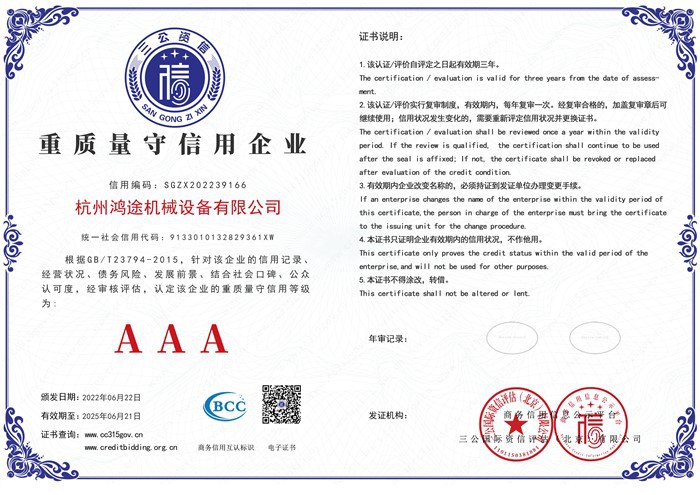
Our Certifications




Our Factory
Hangzhou Hongtu Machinery Equipment Co., Ltd. was established in 2013. HTL's service tools are designed by field experts with more than 10 years to create a unified and professional tool. HTL offers automotive tools for virtually every vehicle use and project application.
FAQ
We're professional general tools manufacturers and suppliers in China, specialized in providing high quality customized service. We warmly welcome you to buy high-grade general tools made in China here from our factory.
Nut Tool Sleeve For Tesla, 3 Jaw Brake Piston Cylinder Hone Tool, Automobile Fuel Free Removal Cleaning Machine Agent Bottle Tool