


Why Choose Us?
Rich Experience
Hangzhou Hongtu Machinery Equipment Co., Ltd. was established in 2013. HTL's service tools are designed by field experts with more than 10 years to create a unified and professional tool.
Wide Product Range
Specializing in the production of automotive tools such as timing tools, air conditioning tools, body repair tools, brake tools, cooling system tools, electrical repair tools, engine tools, gear pullers, special pullers, steering and suspension tools, and general manual.
One-stop Service
Our products are exported to more than 40 countries in Europe, America and Asia. We're sure to be your one stop shop for all your auto repair tool needs!
Strong Production Capacity
We have 8 workshops, Current General Tools capacity can up to 150000000 per year , The Timing Tools can up to 12000000 per year.
What is Engine Oil Pressure Gauge?
An oil pressure gauge is an instrument that monitors the oil pressure in your vehicle. This instrument not only tells you how much oil remains in your vehicle, but it is also an indicator of the general health of your engine. For instance, an oil pressure gauge can warn you of an oil pump failure, broken hose, or a leaking gasket. It is important to monitor your oil gauge on a regular basis.
What is Fuel Pressure Gauge?
A fuel pressure gauge is a device used to measure and monitor the pressure of the fuel supply in a vehicle's fuel system. The fuel pressure gauge provides important information about the fuel system's performance and can help identify potential issues. By monitoring the fuel pressure, vehicle owners and mechanics can ensure that the engine is receiving the appropriate amount of fuel, which is essential for optimal engine performance, fuel efficiency, and overall vehicle reliability.


Advantages of Engine Oil Pressure Gauge
Monitoring Engine Health
The oil pressure gauge provides a real-time indication of the engine's oil pressure, which is a crucial parameter for evaluating the overall health and performance of the engine. Fluctuations or sudden drops in oil pressure can indicate potential issues with the oil pump, bearings, or other internal engine components.
Performance Monitoring
In high-performance or racing applications, the oil pressure gauge can provide valuable information about the engine's operating conditions. Monitoring the oil pressure can help the driver or mechanic optimize the engine's performance and identify any potential issues that may affect power output or efficiency.
Preventive Maintenance
By monitoring the oil pressure, vehicle owners can identify any potential problems before they escalate into more serious and costly repairs. This allows for proactive maintenance, such as timely oil changes or repairs, to prevent further damage to the engine.
Troubleshooting Assistance
The oil pressure gauge can be a valuable tool for mechanics when diagnosing engine-related issues. Abnormal oil pressure readings can help pinpoint the root cause of problems, such as leaks, blockages, or malfunctioning oil system components.
Engine Protection
Maintaining proper oil pressure is crucial for ensuring adequate lubrication of the engine's moving parts, which helps prevent wear and tear. The oil pressure gauge allows the driver to monitor and address any issues that could lead to engine damage or failure.
Peace of Mind
The presence of an oil pressure gauge can give drivers a sense of security and confidence in their vehicle's condition. Knowing the real-time oil pressure status can provide peace of mind, especially during extended or demanding driving conditions.
Types of Engine Oil Pressure Gauge
Electric Oil Pressure Gauges
Most modern cars have electric oil pressure gauges. The power for electric gauges is supplied from one of the many wires stashed behind your vehicle’s dashboard. A current flow through a coil and measures resistance in the instrument’s return wire. This resistance corresponds to oil pressure. Electric gauges are typically easier to integrate into modern circuits, which is one reason they’re installed in the majority of newer cars.
Mechanical Oil Pressure Gauges
Mechanical gauges use pipes instead of wires. This creates what some technicians consider to be a more trustworthy reading, but it also poses an increased risk. Instead of measuring resistance with electrical currents, mechanical gauges funnel oil into small pipes at the same pressure it flows in the engine. If anything punctures the oil pipe, it could start spewing oil at engine pressure! Because of this, mechanical gauges can require more attention and maintenance than electric gauges.

Oil pressure gauges can help ensure that your vehicle or equipment stays in top shape, avoiding catastrophic failures that cost hundreds of dollars in repairs and can cost time and productivity to repair. They also notify you quickly about smaller issues which could be resolved more efficiently with timely action taken immediately.
Mechanical gauges typically use liquid fills such as glycerine-water mixture or silicone oils to help minimize vibration, shock loading and make their needle more resistant to sudden pressure changes.
Electric gauges utilize a sensor attached to the engine block that pushes against a diaphragm inside of it, moving its resistance blade up or down as a wiper moves up or down on it – this in turn changes resistance readings within the gauge, which in turn changes pressure readings, shifting needle accordingly.
Sensor
The sensor detects the oil pressure. The sensor is typically located near the oil filter and directly measures the oil pressure. Depending on the type of gauge, the sensor may be either mechanical, using a tube to transmit pressure to the gauge, or electrical, sending an electronic signal to the gauge.
Gauge face
The gauge face displays the reading. The gauge face is the part of the oil pressure gauge that you see on your dashboard. It displays the oil pressure reading in psi (pounds per square inch) or bar.
Needle
The needle, moving over the gauge face, indicates the current oil pressure.


The gauge monitors the oil pressure in one of the main oilways near to the pump and filter. To do this it has a tapping in the engine block, into which is screwed a sensor (for electric gauges) or an oil pipe take-off (for mechanical gauges).
The sensor for the oil warning light is screwed into the union or T-piece at this point, whether or not the car is fitted with an oil pressure gauge.
Mechanical gauges work by literally forcing the needle around the dial under pressure from the engine. Electric gauges, on the other hand, work by using the sensor screwed into the engine block to produce a variable resistance that affects the amount of current passing through the circuit containing the gauge and sensor.
Installing An Engine Oil Pressure Gauge
Installing an oil pressure gauge in your vehicle can be a straightforward process when following the proper steps and guidelines. A reliable oil pressure gauge is crucial for monitoring the health of your engine and detecting potential issues early on. Here’s a step-by-step guide to help you install an oil pressure gauge:
● Gather the necessary tools and materials, including the oil pressure gauge, gauge adapter, fittings, T-fitting, and mounting bracket.
● Locate a suitable location for mounting the gauge. It should be easily visible while driving and accessible for wiring.
● Disconnect the negative terminal of the battery to ensure safety during installation.
● Identify the oil pressure sending unit in your vehicle. This is typically located near the oil filter or on the engine block.
● Remove the oil pressure sending unit using an appropriate wrench or socket.
● Install the gauge adapter in place of the sending unit and tighten it securely.
● Connect the oil pressure gauge to the adapter using the provided fittings and T-fitting. Ensure all connections are tight to prevent leaks.
● Mount the gauge in the chosen location using the supplied mounting bracket. Make sure it is securely fastened.
● Route the gauge’s wiring through the vehicle’s firewall and connect it to a suitable power source. Follow the manufacturer’s instructions for proper wiring.
● Reconnect the negative terminal of the battery.
Once the oil pressure gauge is installed, start the engine and check for any leaks or abnormal readings. Monitor the gauge while driving to ensure it functions properly and provides accurate oil pressure readings. Consult your vehicle’s manual or a professional if you encounter any difficulties during the installation process.
Following these steps will help you install an oil pressure gauge with ease, allowing you to monitor your engine’s oil pressure and ensure its optimal performance. Remember to prioritize safety and consult professional help whenever needed. Now that you have successfully installed an oil pressure gauge, you can drive confidently with the knowledge that you are keeping a close eye on your engine’s health.
Troubleshooting Engine Oil Pressure Gauge Issues
Zero Reading
This is normal only when the vehicle is idling. If this reading occurs at higher speeds, it could mean one of three things: 1) the gauge is faulty, 2) the oil level is low, or 3) the oil pump (or its drive) is broken. In any case, switch the engine off and get your engine checked out as soon as possible.
Low Reading
If your oil pressure gauge consistently reads a lower number while the vehicle is idling (typically below 20 or in the lower quarter of the gauge) get it checked out. It could indicate an issue with the gauge (like a leak in a mechanical gauge), but it most likely means an engine component has worn down, creating a drop in oil pressure. By fixing or replacing the part quickly, you could avoid major—and expensive—engine damage down the line.
High Reading
The needle on the pressure gauge should settle at the midpoint after the car has been running for about 20 minutes. If it settles toward the top of the gauge, it could be indicating high oil pressure. The pressure relief valve could be stuck or faulty, or there could be a blockage in the oil delivery lines. Since high pressure could cause your oil filter to burst, switch off your engine as soon as you notice the reading.
How to Read and Interpret Engine Oil Pressure Gauge Readings
Reading an oil pressure gauge might seem daunting at first, but with a solid understanding of its operation, you can easily interpret its readings. The gauge measures the pressure of oil in the engine, usually in pounds per square inch (PSI). Depending on your system, a normal reading may range anywhere between 20 to 65 PSI when the engine is running.
Typically, when an engine is off, the pressure gauge will display zero. As the engine warms up, the oil pressure should increase to a stable value within the manufacturer’s specified range. A high reading can indicate thick or high-viscosity oil or a blockage in the oil delivery system. A low reading, on the other hand, can be a warning sign of thin oil, oil leaks, or worn-out engine parts.
Regular monitoring of your oil pressure gauge can reveal crucial information about the health of your engine. Sudden drops or spikes in pressure readings may indicate a problem that needs immediate attention. Regular fluctuations are typically a sign of normal operation, but consistent abnormal readings warrant further investigation.
In the context of oil pressure, differential pressure gauges can be crucial tools for monitoring the difference between inlet and outlet oil pressure in systems like oil filters.
Why Installing an Engine Oil Pressure Gauge Is Important?
An oil pressure gauge is generally introduced on the dashboard of a vehicle as this is the most effective way to assist the driver with checking the oil pressure levels. The time, the admonition light is up on the gauge, it is known as a sign that the oil pressure level is exceptionally low of the motor.
Indeed, even it is likewise essential to recharge what is going on to stay away from motor harm. Presently, you can comprehend the motivation behind why this oil pressure gauge establishment is significant.
Regularly, the needle stays on a similar place of the oil pressure gauge and individuals become used to with that being there.
For that, one must know about the needle that can start to move downwards as this can happen well before the advance notice light comes on and furnishes you with additional opportunity to forestall the harm of the motor.
Introducing an oil pressure gauge is significant as this is the most effective way to watch out for your oil pressure. This is certainly not a straightforward errand and ought to be finished by an expert.
The time, the needle plunges fiercely downwards and afterward back up to a typical level, there can be now harm or definitely low oil level. It can end up being over the top expensive assuming you are disregarding the admonition signs.
Watching out for this and go to helpful lengths on the hour of requirement is better. Whether you will introduce an electric or mechanical pressure gauge, it means a lot to be familiar with the legitimate procedure of doing as such.
Maintaining Engine Oil Pressure Gauges


Maintaining your vehicle’s oil pressure gauge is an essential part of ensuring your engine operates efficiently and effectively. A well-maintained gauge provides accurate readings, helping you avoid potential engine damage due to insufficient lubrication. Here are some key steps to consider when maintaining your oil pressure gauge.
Regular Checks
To ensure the accuracy of your oil pressure gauge, carry out regular checks. This will help you notice any irregularities in the readings, which could indicate underlying issues with the gauge or the engine’s oil pressure.
Calibration
Over time, the oil pressure gauge may need recalibration to continue providing accurate readings. Calibration should be done periodically or whenever you suspect the readings are off.
Cleanliness
Keeping the gauge clean can prevent dust and debris from interfering with the readings. Use a soft, damp cloth to wipe the gauge face without scratching it.
Sensor Inspection
The sensor plays a crucial role in detecting oil pressure. Regularly inspect it for signs of wear and tear or damage. If necessary, replace the sensor to ensure the gauge functions correctly.
Professional Servicing
For comprehensive maintenance, consider having your oil pressure gauge serviced by a professional. They can perform a thorough check, calibration, and cleaning, and they can address any underlying issues that may affect the gauge’s performance.
Key Components Of A Fuel Pressure Gauge
The Pressure Sensor
The heart of a fuel pressure gauge is the pressure sensor or pressure transducer. It measures the pressure exerted by the fuel and converts it into an electrical signal. This conversion is crucial because the electrical signal can then be processed and understood by the gauge.
The Gauge Display
The gauge display interprets the electrical signal from the pressure sensor, turning it into a user-friendly format, such as PSI (pounds per square inch). This readable format allows operators to make any necessary adjustments to the fuel supply or machinery operation.
The Wiring
Connecting the pressure sensor to the gauge display is a system of wires. These wires transmit the electrical signals from the sensor, carrying the data to the display. Quality wiring is crucial to ensure the accuracy and consistency of these signals.
The Housing
The housing is the external shell that protects the gauge’s internal components from external factors such as dust, water, or accidental damage. It also typically includes a mounting bracket or other installation components for ease of integration into the system.
Where Should the Fuel Pressure Gauge Go?
Since a mechanical gauge is plumbed along the fuel line, it is usually located near the carburetor. This makes it difficult to see while you’re driving. If you want to know the fuel pressure while you’re on the road, you could put it near the cowl, depending on your hood design.
Plumbing a mechanical gauge all the way into the passenger compartment is a bad idea. It’s not safe to have a fuel line inside your car. However, you can buy an “isolator” that safely transmits the fuel pressure reading. But this is one more component that can fail, so we don’t recommend this option.
With an electronic gauge, since the signal is sent via wires, you can place it anywhere—even on the dashboard.
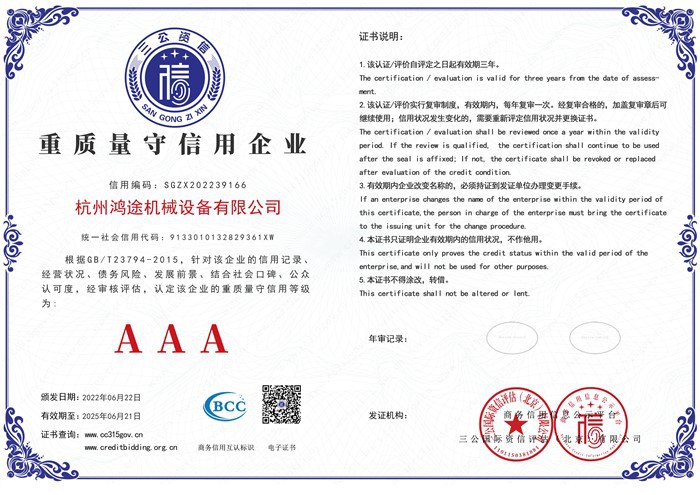
Our Certifications




Our Factory
Hangzhou Hongtu Machinery Equipment Co., Ltd. was established in 2013. HTL's service tools are designed by field experts with more than 10 years to create a unified and professional tool. HTL offers automotive tools for virtually every vehicle use and project application.
FAQ
We're professional engine testing tool manufacturers and suppliers in China, specialized in providing high quality customized service. We warmly welcome you to buy high-grade engine testing tool made in China here from our factory.
Hose Opener Tool, Brake Oil Changer 2L, Digital Car Multimeter Tool