


Why Choose Us?
Rich Experience
Hangzhou Hongtu Machinery Equipment Co., Ltd. was established in 2013. HTL's service tools are designed by field experts with more than 10 years to create a unified and professional tool.
Wide Product Range
Specializing in the production of automotive tools such as timing tools, air conditioning tools, body repair tools, brake tools, cooling system tools, electrical repair tools, engine tools, gear pullers, special pullers, steering and suspension tools, and general manual.
One-stop Service
Our products are exported to more than 40 countries in Europe, America and Asia. We're sure to be your one stop shop for all your auto repair tool needs!
Strong Production Capacity
We have 8 workshops, Current General Tools capacity can up to 150000000 per year , The Timing Tools can up to 12000000 per year.
What is Pneumatic Tools?
Pneumatic tools are compressed air driven power tools powered by an air compressor, or tools powered by portable compressed carbon dioxide cylinders. Such tools are able to generate more power in relation to their weight than conventional power tools are able to, and their design specifications and use are governed by a distinct set of OSHA regulations. Specific PEE is prescribed for operators under certain circumstances and various fail safes in the design of the equipment are required.
What is Clutch Alignment Tool?
A clutch alignment tool is a specialized tool used in the automotive industry to properly align and install a clutch assembly during the process of clutch replacement or repair. By using a clutch alignment tool, mechanics and technicians can ensure that the clutch assembly is properly installed and aligned, contributing to the overall performance and longevity of the vehicle's clutch system.

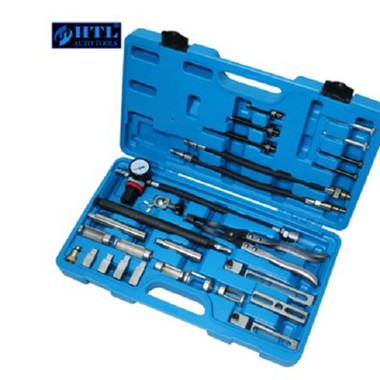


Advantages of Pneumatic Tools
Lightweight
Working while holding heavy equipment can be hard and exhausting for the user. Pneumatic tools use air compressors, whereas electric equipment needs motors to operate. As a result, pneumatic tools are substantially lighter without the need for large motor tools and also allows users to have a better grip of the tool and work more efficiently.
Low cost
Pneumatic tools are the best way to save on energy and maintenance costs if you plan to use tools continuously. Due to fewer heavy machinery, pneumatic tools is cost-effective solutions. This means that pneumatic tools set need little maintenance or repair. Less servicing also means less downtime. This means that work is accomplished faster, productive and cost reduction.
Safety
Pneumatic tools are safer than electric tools since they can be used in humid, conductive and even explosive and corrosive conditions. pneumatic tools do not utilize electricity to work and there is lttle chance of fire or electrical risks, though cables are damaged or exposed. This ensures safe operation for the operator. Furthermore, unlike electrical tools, pneumatic tools have a low risk of defective due to overheating, short-circuiting, or electrocution.
Versatility
In any environment you can use pneumatic tool sets and bring them easily wherever you need them. Compressed air is a versatile source of power as it can be stored and transported to any work site in cylinders. Thus, even without electricity and no appropriate power outlet these pneumatic tools can be used in remote locations.
Productivity and Power
Pneumatic tools have a high power-to-weight ratio, allowing them to produce more torque while still being lightweight and compact. In the case of electric tools, only 50 to 60 percent of the power fed into the motors is converted to output power. This reduces the productivity and power of electric tools.
What Are the Different Types of Pneumatic Tools?
Drills
Can be used for both boring and fastening, pneumatic drill tool can be assembled by attaching an electric power drill to an air compressor hose. Such tool resembles the electric pistol-grip drill of which rather uses compressed air than an electric motor to make a rotating motion.
Grinders
Typically used in cutting, grinding, or polishing materials, pneumatic grinders employs rotary force on a disc. It can be held with two hands but depends on what type the spinning disc is and the brush attached to its end.
Paint Sprayer
For quick paint coating of a large area, you can lean on with pneumatic paint sprayers. By combining paint and compressed air, your painting job can be instantly done. Attach adjustable nozzles to manipulate the rate or the shape of the paint spray as desired.
Sanders
This type of pneumatic tools features a plane bottom where sandpaper can be attached and is operated by switching it on or off. Pneumatic sanders create a forward-backward motion which runs the abrasive paper on the surfaces.
Nail Guns
May it be building walls, fastening shingles, woodworks and cabinetry, pneumatic nail guns can do the job. Its uses can come from attaching sheathings to building concrete forms.
Pounding Tools
Best used on hard surfaces such as stone and concrete, pneumatic pounding tools effortlessly chip and pound any solid surface. A larger variety of this type of tool is used in massive works such as in trenching, demolition, and digging.
Wrenches
Used in auto repair and building applications, pneumatic wrenches spin sockets with its rotary force. They can also feature torque adjustments for precise implementation.
Screw Guns
With pneumatic screw guns, workers are solved by doing the holding of each screw before fastening it to surfaces. All of the screwing jobs can just be done by the pull of the trigger.
Application of Pneumatic Tools


Construction
Pneumatic tools are widely used in construction for tasks such as framing, roofing, and concrete work. Pneumatic nail guns, staple guns, and concrete nailers are essential tools for fastening materials together efficiently and securely.
Automotive Repair
In automotive workshops, pneumatic tools play a vital role in tasks such as tire changing, engine repair, and bodywork. Impact wrenches, air ratchets, and pneumatic sanders are commonly used to remove bolts, nuts, and screws quickly and to sand surfaces for painting.
Manufacturing
Pneumatic tools are indispensable in manufacturing processes, where speed, precision, and reliability are essential. They are used in assembly lines for tasks such as riveting, drilling, and grinding, contributing to increased productivity and efficiency.
Woodworking
In woodworking shops, pneumatic tools are favoured for their ability to deliver consistent power and speed. Pneumatic nail guns, staplers, and brad nailers are used for assembling furniture, cabinetry, and trim work, while pneumatic sanders help achieve smooth finishes on wood surfaces.
Metalworking
Pneumatic tools are also prevalent in metalworking industries for tasks such as cutting, grinding, and polishing. Pneumatic die grinders, angle grinders, and cut-off tools are used to shape and finish metal components with precision and speed.
DIY Projects
Homeowners and DIY enthusiasts also benefit from pneumatic tools for various projects around the house. From inflating tires to driving nails and screws, pneumatic tools offer versatility and ease of use for a wide range of tasks.
HVAC (Heating, Ventilation, and Air Conditioning)
Tradesmen in the HVAC field rely on pneumatic tools for specific applications. For example, pneumatic staple guns are used to secure insulation materials in ductwork installations, ensuring proper thermal insulation and energy efficiency. Pneumatic nail guns and staplers are also utilised for fastening ductwork components together securely, streamlining the installation process. Additionally, pneumatic drills and drivers aid in assembling HVAC systems, mounting brackets, and securing ductwork to walls or ceilings with precision and speed.
Plumbing
Plumbers often use pneumatic tools for various tasks, such as pipe installation and repair. Pneumatic pipe threading machines are essential for threading pipes quickly and accurately, facilitating the assembly of plumbing systems. Pneumatic drain cleaners and pipe cutters are also employed to clear clogged drains and cut pipes to the required length efficiently. Moreover, pneumatic wrenches and impact drivers assist plumbers in tightening and loosening pipe fittings, valves, and fasteners with ease, reducing manual effort and increasing productivity.
Understanding Pneumatic Tool Hazards
Pneumatic tools, though invaluable in many operations, pose several hazards if not used correctly. Common risks include recoil, high noise levels, and the dangers of improper tool usage, leading to accidents or injuries. Recognizing these hazards is the first step toward safe operation. Users need to understand the specific risks associated with each tool, as this knowledge forms the basis for implementing effective safety measures.
Proper Personal Protective Equipment (PPE)
Using the correct Personal Protective Equipment (PPE) is critical when operating pneumatic tools. Safety goggles or face shields are necessary to protect eyes from flying debris. Hearing protection like earplugs or earmuffs should be used to guard against the high noise levels often generated by these tools. Gloves provide a firm grip and protect hands, while steel-toed boots safeguard feet from heavy tools or falling objects.
Regular Tool Maintenance
Routine maintenance is crucial for the safe operation of pneumatic tools. Regular checks can identify wear and tear, leaks, or damages that might compromise safety. Users should perform routine inspections and adhere to maintenance practices as recommended by the manufacturer. This includes checking for any air leaks, ensuring all parts are tightly secured, and replacing any worn-out components.
Correct Tool Operation
Each pneumatic tool comes with specific operational guidelines provided by the manufacturer. It is imperative to understand and follow these instructions carefully. Users should be trained on the correct procedures, such as properly attaching tools to air hoses, adjusting pressure settings, and safely operating the tool.
This article provides a practical guide on the essential safety precautions for pneumatic tools, emphasizing the importance of understanding hazards, using appropriate PPE, regularly maintaining tools, and following correct operating procedures. Each point is designed to inform and educate users on operating pneumatic tools, ensuring a safer working environment.
Safe Workspace Organization
A well-organized workspace is crucial in preventing accidents when using pneumatic tools. Proper storage and arrangement of tools and equipment minimize injury and tool damage risks. Ensure that all tools are stored securely when not in use and that the workspace is free of clutter to avoid tripping hazards. Labeling tools and their corresponding accessories can also enhance safety, ensuring that the right tool is easily accessible for the right job.
Managing Air Pressure Correctly
Correctly setting and managing air pressure for pneumatic tools is essential for safe operation. Each tool has a recommended air pressure setting, and exceeding or falling short of this setting can pose risks. Excessive air pressure can lead to tool damage or uncontrolled tool operation, while insufficient air pressure might cause the tool to malfunction.
Avoiding Hose Hazards
Air hoses, a vital part of pneumatic tool setups, can present several hazards if handled incorrectly. Always lay out hoses away from walkways or secure them off the ground to prevent tripping or entanglement. Regularly inspect hoses for cracks, leaks, or any damage and replace them as necessary. Proper hose maintenance and storage are crucial – keep hoses coiled and stored in a designated place when not in use to prolong their life and maintain safety.
Using the Right Tool for the Job
Using the appropriate tool for each task is not just about efficiency but safety. Utilizing inappropriate or makeshift tools can lead to accidents, tool damage, or subpar work. Always select tools specifically designed for the task at hand and avoid using them for purposes they were not intended for. This practice ensures not only the safety of the user but also the longevity and proper functioning of the tools.
Training and Awareness
Proper training is paramount in the safe use of pneumatic tools. Users should be well-versed in each tool’s operation, maintenance, and basic safety tips and features. Regular training sessions and staying updated with the latest safety guidelines and tool advancements can significantly reduce the risk of accidents. Encouraging a culture of safety and awareness in the workplace goes a long way in ensuring safe practices are followed.
Emergency Preparedness
Despite all precautions, emergencies can still occur. It’s vital to have a plan in place for handling accidents involving pneumatic tools. This includes having a well-stocked first aid kit, knowledge of basic procedures, and clear emergency protocols. Quick and efficient emergency response can greatly reduce the severity of injuries and the impact of accidents.
How do Pneumatic Tools Work?

Compressed Air Supply
Pneumatic tools require a compressed air source to operate. This air is typically supplied by an air compressor, which pressurises the air and stores it in a tank for use. The compressor draws air from the surrounding environment and compresses it to a high pressure, which is then conveyed through hoses to the pneumatic tool.
Regulation and Control
Before reaching the tool, the compressed air passes through a regulator, which controls the pressure to ensure it matches the requirements of the specific tool and task at hand. The regulated air then travels through a hose connected to the pneumatic tool.
Conversion of Air Pressure to Mechanical Energy
Inside the pneumatic tool, the compressed air enters a chamber where it exerts pressure on a piston or similar mechanism. This pressure forces the piston to move, generating mechanical energy.
Tool Operation
The mechanical energy produced by the movement of the piston powers the operation of the tool. Depending on the type of pneumatic tool, this energy may be used to drive a rotary motor or actuate a linear mechanism. As a result, the tool performs the desired action.
Exhaust of Used Air
After completing its operation, the used air is exhausted from the tool through an exhaust port. This ensures that the tool operates efficiently and remains ready for the next use.

Safety Regulations That Set Pneumatic Tools Apart
One of the big reasons you see pneumatic tools in potentially dangerous situations is because compressed air isn’t nearly as reactive as other power sources. Even though oxygen is flammable, the air itself won’t usually combust suddenly.
There’s also little risk of air corroding anything. Think about what might happen if a hydraulic line ruptured. Fluid would probably spray out everywhere, which would cause quite the problem no matter what kind of surface it ended up falling on.
Specific PEE guidelines are prescribed for pneumatic operators under certain conditions. This helps to ensure that they’re extremely safe in a majority of uses. Various fail-safes are added into the design of these pieces of gear, which makes them all the more secure.
Design specifications are spelled out in a distinct set of OSHA documents, which has helped to encourage their use in a variety of situations where people are concerned about employee health. In fact, some of the most widely recognized pneumatic devices come from the medical industry.
Dental drills, which are perhaps best known for their distinctive sound, are generally powered by compressed air. This makes sense considering that there’s no fear that air is going to cause problems for a patient’s mouth.
There’s a number of other uses for these tools in the healthcare industry as well, but they’re also widespread in the manufacturing and food processing sectors.
In fact, you’re likely to find uses for pneumatic tools in almost every possible business sector you can think of. Most people wouldn’t think of amusement park rides when they consider the issue of pneumatic tools, but these are often powered by compressed air. Even some special effects for the motion picture industry rely on this technology.
How to Use a Clutch Alignment Tool in 7 Simple Steps
Finding Your Clutch Alignment Tool
A clutch alignment tool will usually come pre-packaged in a complete clutch kit, but you have to buy one separately if you’re only replacing the plate. Sounds simple, right? Well, each car has a different clutch set up, so you’re going to have to carefully choose your tool to ensure that you’re working with the right set up.
Learn About What Your Clutch Alignment Tool Does
Your flywheel bolts to the crank at the back of your engine, and inside of the crank is a large bearing that allows the assembly to spin freely. Allowing your flywheel to spin freely is essential for a properly working car — your flywheel stores rotational energy and allows your vehicle to continue idling even when the clutch is depressed. If the flywheel can’t spin, then your car can’t shift into gear.
Install the Clutch
A clutch plate has two sides. One side normally has a mark that will line up with a similar line on the flywheel. Those marks must line up to guarantee an easy-shifting car. Remember, don’t freeze up and get stuck wondering how to use a clutch alignment tool – it’s easy. First, slot the alignment tool through the clutch disc while both the tool and the disc are outside the transmission. Make sure the splines are exiting the disc on the side the alignment mark is on. Next, line up both the mark on the flywheel and the mark on the clutch disc and press the disc into the transmission assembly.
Install the Pressure Plate
Now that your clutch is positioned on the flywheel, place your pressure plates onto the clutch disc and start bolting the disc down. Tighten everything in a star pattern to distribute tension equally across the clutch disc to prevent warping. There’s always a small space between the clutch disc and the flywheel until the bolts get fully screwed down, so snug everything down gently at first to move the clutch disc into place before tightening them fully.
Torque to Spec
Finally, torque everything to spec. You can find your car’s spec online or in your manual. Once you know your torque spec follow this three-step process. First, hand tighten the bolts in a star pattern, then half-torque the bolts in a star pattern, and finally full torque the bolts in a star pattern.
Remove the Clutch Alignment Tool
Your clutch alignment tool should stay in the clutch until you’re ready to reattach the transmission to your car. Yes, even if the process takes several days. It’s much too easy for your disc clutch alignment to shift inside your transmission if you leave it unsupported during the replacement process (even though the pressure plate should stop everything from moving). Once you’re ready to reinstall the transmission, take the tool out, put some gasket on the transmission, and bolt it back on.
Check your Tool for Wear
Check up on your tool! A clutch alignment tool is normally made out of plastic so that it won’t grind on any metal surfaces. So, before putting away your tool, make sure that the teeth on it are sharp and not rolled over.
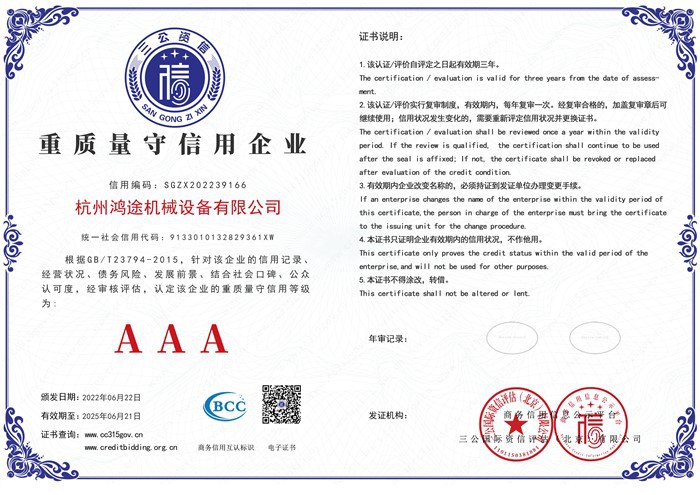
Our Certifications




Our Factory
Hangzhou Hongtu Machinery Equipment Co., Ltd. was established in 2013. HTL's service tools are designed by field experts with more than 10 years to create a unified and professional tool. HTL offers automotive tools for virtually every vehicle use and project application.
FAQ
We're professional installing&removal tool manufacturers and suppliers in China, specialized in providing high quality customized service. We warmly welcome you to buy high-grade installing&removal tool made in China here from our factory.
Automotive Interior Crowbar, 7 Speed Dual Clutch Gearbox Tool, Camshaft Timing Bolt For Ford 4 6L 5 4L 6 8L 3V